
Social Entrepreneurship: transforming ideas from the life sciences, social sciences, and humanities into real-world impact.
At first glance, many researchers believe that building a successful start-up requires a groundbreaking, world-changing technology made by the team itself. But that's not absolutely necessary – even if it may seem obvious at first. At MAX!mize, we see again and again that it’s not only about the technological breakthrough – it’s about impact above all. What really matters is how an idea can create tangible benefits for society and the planet.
Real-world solutions that benefit people, society, and the planet
Scientific research produces countless insights, concepts, and approaches that has the potential to address real needs in the world. Turning these into products and services with social relevance can be just as powerful as a disruptive technology.


Whether in the life sciences, social sciences, or humanities – we support Max Planck start-ups from all fields of research.
This is why the MAX!mize incubator supports Max Planck researchers in shaping their research into start-ups that put people and society at the core. The diversity of participating projects makes this particularly tangible: alongside technology-driven ideas from chemistry, physics, biology and medicine, teams from the humanities and social sciences are also represented. While projects with societal impact have already been supported in the past, since 2025 the program has placed an even stronger focus on social entrepreneurship.
Therefore, the incubation program tailors its content specifically to the needs of each team. Through individual coaching and parallel workshops, relevant topics are addressed – depending on the discipline and business model. For future-oriented innovation. For society, people, and the planet.
Social Start-up Great Gig Group: Optimizing Live Music Performances
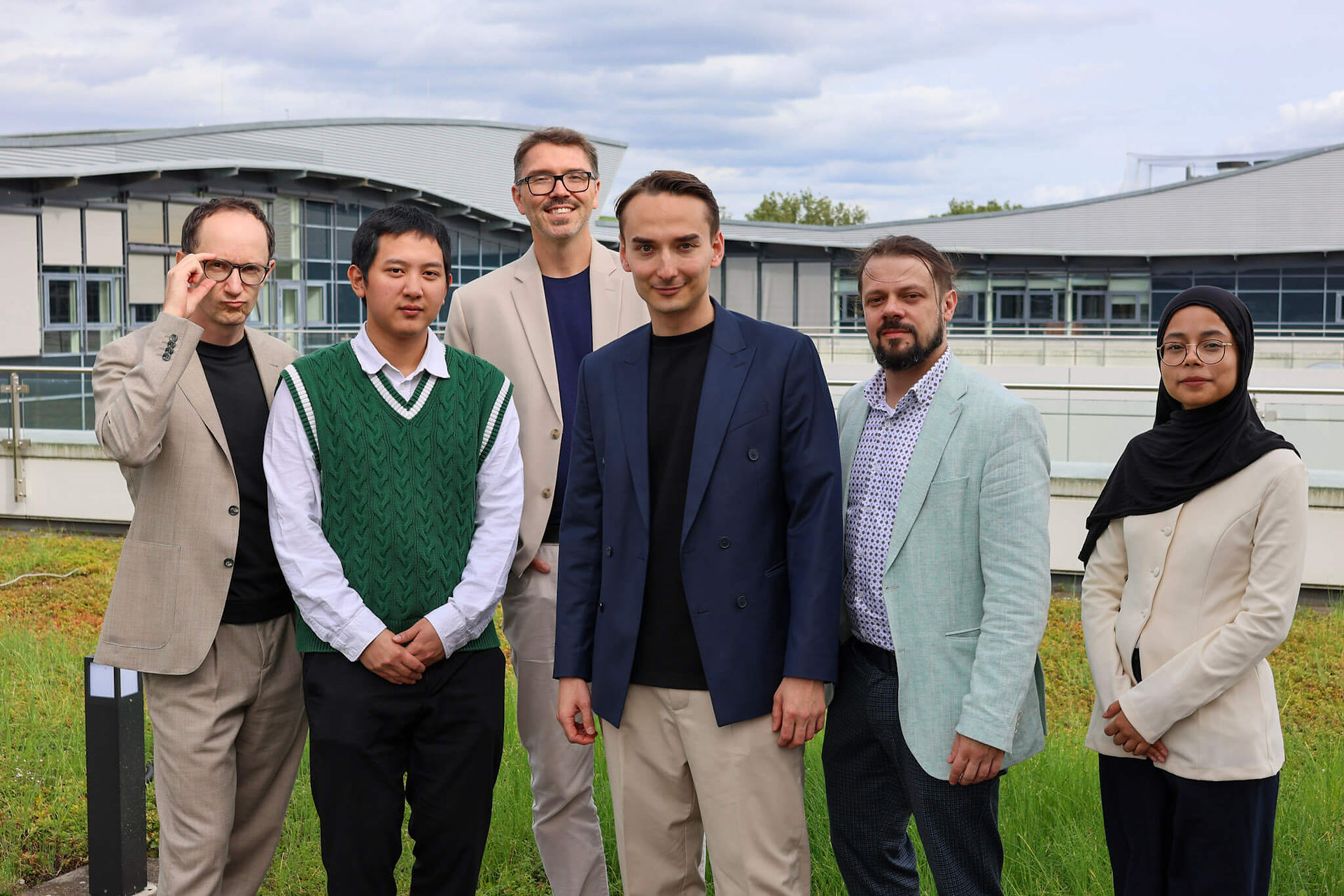
A prime example is the project Great Gig Group, led by doctoral candidate Nikita Kudakov from the Max Planck Institute for Empirical Aesthetics. Together with a diverse team of eight, Nikita is tackling a very human challenge: helping vocal musicians and DJs connect better with their audiences. The project includes a dedicated app designed to assist vocal musicians and DJs in analyzing and optimizing their stage performance.
Their vision goes beyond technical skill – they aim to empower artists, foster creativity, and enhance shared musical experiences that connect communities.
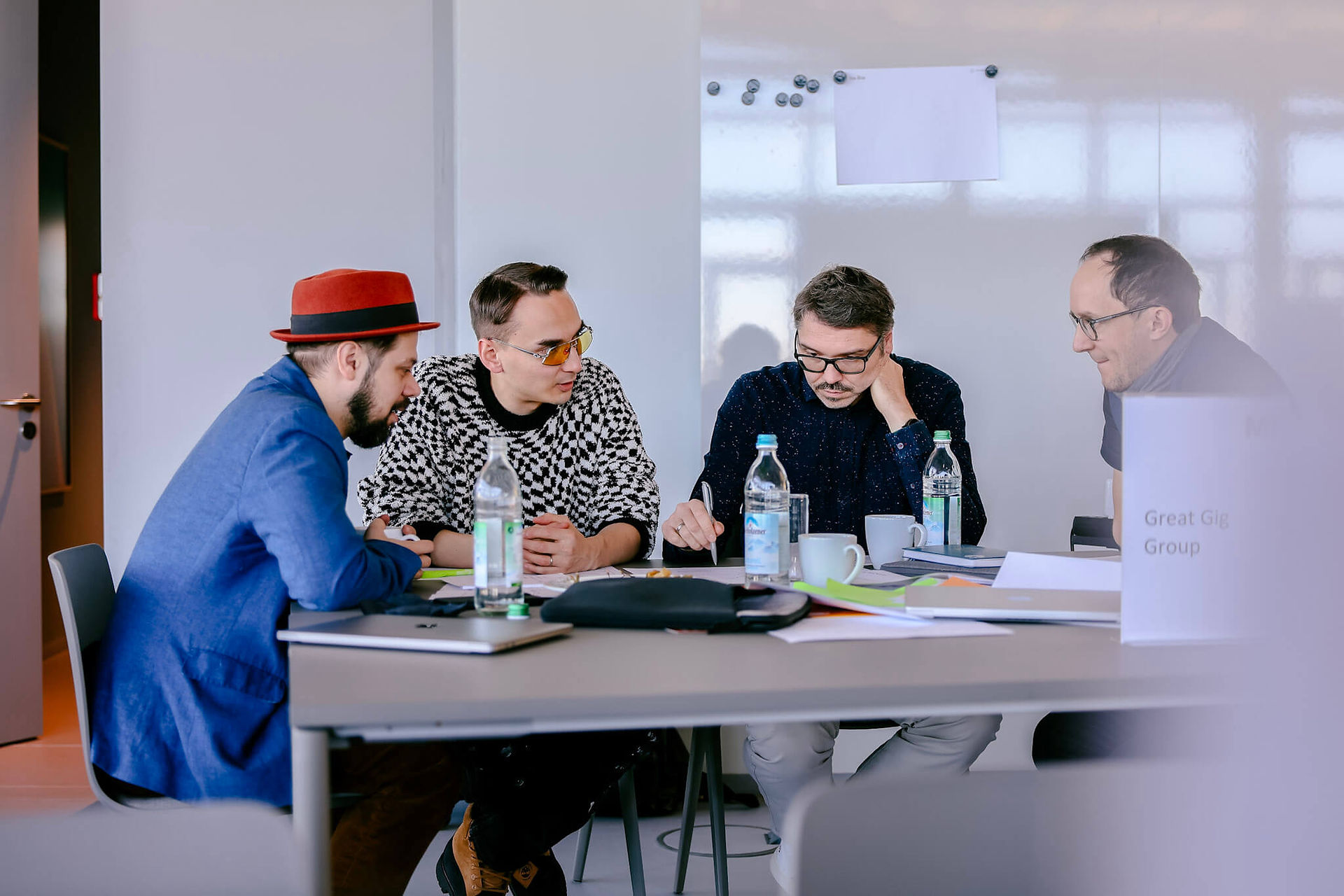

When Social Impact Takes Center Stage
Their approach combines scientific insights with real-world application: from AI-based performance analysis to artist coaching. The focus is not just on supporting individuals, but on creating ripple effects for the broader cultural and creative industries.
And here’s another important point: even if a project starts with a social science component, this doesn’t exclude technical aspects from your business idea. Technology doesn’t always have to originate directly from your research – it can be integrated into the business model at any stage. Social relevance and technical solutions can go hand in hand.
Looking through the Lens of Impact
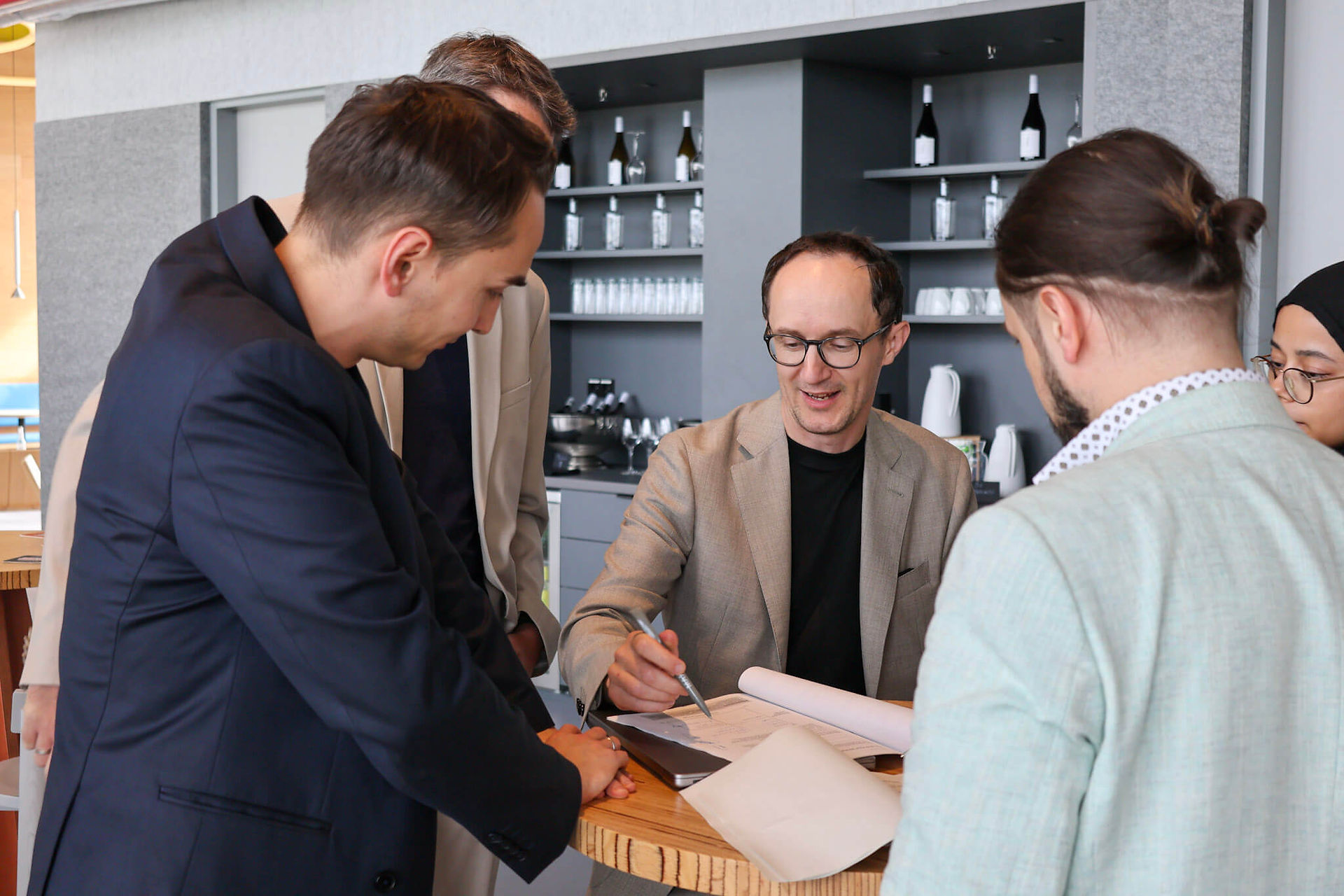
This example shows what MAX!mize is all about: you don’t need a deep-tech invention to start a promising company. You need the courage to look at your research through a new lens – the lens of impact and market needs. Driving both innovation and positive change. These ventures can create jobs, promote sustainability, and improve quality of life, while also fostering a culture of entrepreneurship. Their potential to scale can have a lasting impact on economy and communities.
Because when science serves people, society, and the planet, that’s where true innovation begins.
Ready to turn your research into real-world impact?
If you want your work to create tangible benefits for people, society, and the environment apply now for the next MAX!mize Bootcamp and be part of our powerful changemaker community.
Develop your idea, make your impact measurable, and launch your own start-up.


